


 Yelp
Yelp

Guest Intelligence Audit
Turn customer feedback into operational advantage.
Customer reviews are operational data in disguise. We decode what your guests — and your competitors' guests — are really telling you, then hand you the action plan to fix it.
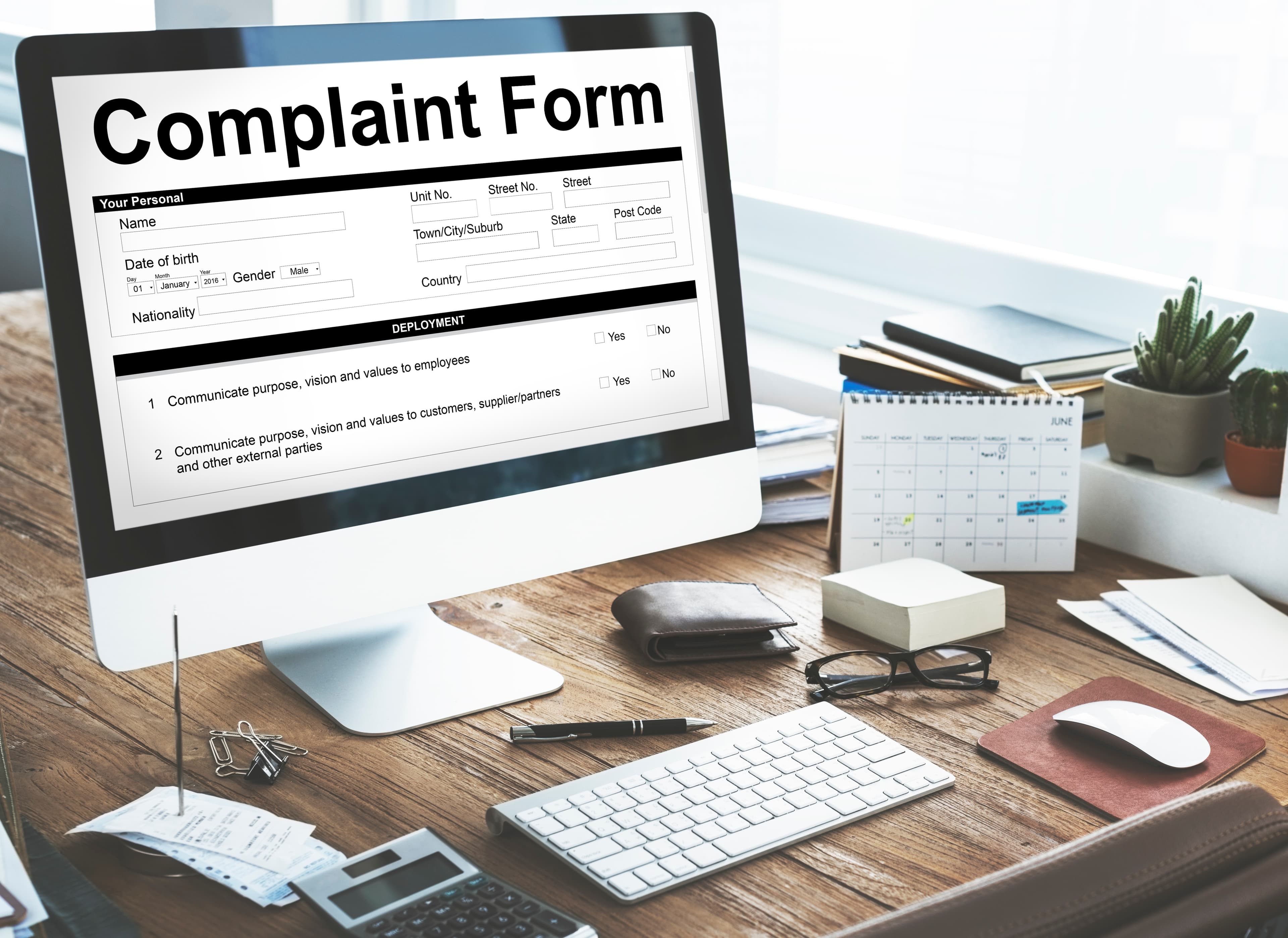
Evidence in plain sight
Every complaint is a data point
waiting to be decoded.
The Problem
Most businesses see star ratings.
We see operational patterns.
Low ratings are rarely random. They usually point to repeatable issues in speed of service, hospitality, cleanliness, fulfillment accuracy, staffing, communication, pricing perception, and guest recovery.
We help restaurant owners and operators decode those patterns before they damage revenue.
Common Complaint Themes
ExampleSized by frequency · illustrative data
What We Analyze
Eight angles on the same question:
why are guests saying what they’re saying?
Each angle below maps to a specific operational lever. The audit surfaces which ones are quietly compounding into rating drift — and which to fix first.
Google Review Trends
Rating trajectory, volume cadence, and theme drift across time and locations.
See detailCompetitor Review Patterns
What guests praise about competitors and where you appear in their comparisons.
See detailGuest Sentiment Themes
Recurring topics behind 1–3 star reviews — extracted and ranked by frequency.
See detailService Speed Complaints
Wait-time mentions mapped by daypart and location to surface staffing gaps.
See detailCleanliness & Hospitality
Signal language around restrooms, table reset, server warmth, and recovery.
See detailDelivery & Takeout Accuracy
Order errors, missing items, packaging issues, and platform-specific patterns.
See detailMenu & Pricing Perception
Value-for-money language, portion complaints, and price-sensitivity flags.
See detailReputation Risk Indicators
Early-warning signals that quietly compound before they hit the star average.
See detailIn Detail
What each analysis stream actually does
Every category above is a discrete piece of work with a defined input, method, and output. The blocks below show exactly what we do, how we do it, and what you receive for each.
Google Review Trends
We pull every Google review on your business going back 36 months and read them the way an operator does — for trajectory, not snapshots. Where ratings broke from baseline, when volume cadence shifted, and how the topic mix in reviews changed from quarter to quarter.
How we do it
- Extract every Google review with timestamps, ratings, and full text via the Google Business Profile API
- Segment into rolling 3-month windows so trends emerge instead of getting masked by averages
- Compare the most recent 90 days against the trailing year to detect drift before it becomes a permanent rating shift
- Annotate the specific months where rating averages broke from baseline, with the operational context (a new GM, a price change, a kitchen incident)
- Map review volume cadence against your sales calendar to find which operational events drove the reviews — positive or negative
What you get
A Google review timeline with rating trajectory, monthly volume, and a "moments of drift" overlay showing when and why your average changed — plus the three trend lines most likely to compound if not addressed.
Competitor Review Patterns
For each of your three nominated competitors we mine the last 12 months of their public reviews. Not just to score them, but to find the language patterns where their guests describe what they do well — and to find every review (across any platform) that mentions you by name in comparison.
How we do it
- Pull last 12 months of public reviews for each named competitor across Google, Yelp, TripAdvisor, and Trustpilot
- Extract their praise themes (what they're winning on) and complaint themes (what they're losing on)
- Scan competitor reviews for direct mentions of your business — by name, address, or comparative phrases ("used to go to X, now we come here")
- Identify "switching language" patterns — the specific reasons guests give for migrating between you and them
- Cross-reference their praise themes against your complaint themes to find exact swap points where you are losing guests on a fixable dimension
What you get
A per-competitor profile (praise patterns, complaint patterns, your relative position) plus a "swap risk" register showing the guests who are choosing them over you and the specific dimension on which the switch is happening.
Guest Sentiment Themes
We process every 1–3 star review through natural language analysis to surface the operational themes hiding inside them. The point isn't to read individual reviews — it's to see which themes recur across hundreds of reviews so the pattern becomes undeniable.
How we do it
- Parse every 1–3 star review for theme keywords across service, food, cleanliness, value, recovery, and ambience
- Cluster themes into operational categories so a manager can act on them as a category, not as 200 individual complaints
- Rank themes by frequency, recency, and severity — not just count, but how much each one is hurting return rate
- Flag emerging themes (showing up more in the last 90 days than across prior history) separately from chronic themes
- Sample 3–5 representative direct quotes per theme so you see exact guest language, not paraphrased summaries
What you get
The top 10–15 recurring complaint themes with frequency counts, trajectory (rising / steady / fading), severity rating, and direct quotes — usable in operator meetings without further analysis.
Service Speed Complaints
Service-speed complaints are the most common rating killer and the most fixable — but only if you know exactly when and where they're happening. We isolate every speed-related review and map it onto your daypart and day-of-week grid so the fix becomes a schedule change, not a vibe.
How we do it
- Filter reviews for speed-related language: wait, slow, took forever, long, quick, fast, rushed, ignored
- Cross-reference each review against the visit timestamp where guests mention it
- Build a heatmap of service-speed complaints by daypart × day-of-week
- For multi-unit operators, identify which locations have outlier complaint rates against your group baseline
- Map complaint clusters against your actual staffing schedule for those slots to surface the gap, not just the symptom
What you get
A service-speed complaint heatmap with daypart resolution, plus a "fix-first" recommendation identifying the one or two specific dayparts driving the majority of speed complaints and the staffing change that would address them.
Cleanliness & Hospitality
Cleanliness and hospitality are the two signal categories that most predict whether a guest returns. We extract both — physical cleanliness (restrooms, tables, floors) and human warmth (server attitude, attentiveness, recovery) — and tell you which one is currently hurting return rate more.
How we do it
- Parse reviews for cleanliness keywords: clean, dirty, sticky, restroom, bathroom, floor, table
- Parse reviews for hospitality keywords: rude, warm, attentive, ignored, kind, manager, recovery, smile
- Separate "specific incident" mentions (one bad night) from "general impression" mentions (a recurring vibe)
- Cross-tag with star rating to see which signal hurts your ratings most when it appears
- Identify any specific staff members or roles that recur in either positive or negative mentions
What you get
A cleanliness vs. hospitality scorecard showing which dimension is currently hurting you more, with the specific behavioral coaching opportunities or maintenance gaps to address — including, where present, the named staff who are recurring drivers either direction.
Delivery & Takeout Accuracy
Delivery and takeout reviews have a different complaint profile than dine-in, and they're often weighted differently by the algorithm on each platform. We isolate off-premises reviews and surface the operational issues specific to to-go orders — typically the highest-leverage fixes because they're packaging, training, or process problems.
How we do it
- Filter reviews containing delivery / takeout / pickup keywords and platform-specific mentions
- Track order accuracy issues separately: missing items, wrong items, wrong entire order
- Track packaging issues separately: cold, leaked, smashed, missing utensils, condiments forgotten
- Identify platform-specific patterns — some platforms drive more complaints because of their own driver pool or interface
- Compare your off-premises complaint rate against your in-house complaint rate to see whether to-go is a disproportionate drag on overall reputation
What you get
A delivery and takeout complaint breakdown by issue type and platform, with a recommendation on whether to adjust packaging design, kitchen handoff procedure, or your platform mix — including which platform to deprioritize if one is structurally damaging your reputation.
Reputation Risk Indicators
By the time your Google rating drops from 4.4 to 4.1, the operational issue has been compounding for months. We look for the early-warning signals — the patterns that show up before the average moves — so the intervention happens while it's still cheap to fix.
How we do it
- Track the 4-star to 5-star ratio: when 4-stars start growing as a share of total, dissatisfaction is rising even if the average looks stable
- Compare first-time-visitor sentiment against returning-guest sentiment to see whether first impressions or repeat experience is the weak link
- Identify review themes that are emerging in the last 90 days but absent from prior history
- Watch for "viral risk" signals — reviews mentioning videos, photos of issues, or threats to share publicly
- Flag any specific staff names recurring in negative reviews so coaching can happen before the pattern becomes a public story
What you get
A reputation early-warning dashboard with 5 to 7 risk indicators currently active in your review base, each ranked by urgency, projected timeline to rating impact, and ease of intervention so the operator knows which to act on this week and which can wait.
Rating Distribution
ExampleYou vs. your three closest competitors
Star rating, last 6 months · illustrative data
Guest Sentiment Trend
Example12-month sentiment trajectory with annotated events
Net sentiment score · illustrative data
Deliverables
Six premium artifacts.
One clear plan.
Every audit produces the same six deliverables. Together they give you the picture, the comparison, and the sequenced plan — not just a binder full of charts.
Executive Intelligence Report
Full audit findings, prioritized by operational impact and expected rating lift.
See what’s insideCompetitor Benchmark Analysis
Head-to-head comparison across 3 local competitors with actionable gaps.
See what’s insideSentiment & Complaint Trends
Themes, frequencies, trajectories — what is rising and what is fading.
See what’s insideOperational Risk Findings
Issues quietly compounding before they show up in your star average.
See what’s insideGuest Experience Scorecard
Numeric baseline across service, food, cleanliness, value, and recovery.
See what’s inside30-Day Improvement Roadmap
Sequenced, scoped actions with ownership and success metrics.
See what’s insideInside Each Deliverable
What you actually receive
Each deliverable below is a discrete document with a defined audience, structure, and use. The blocks show what’s in each one, how we produce it, and how an operator typically uses it.
Executive Intelligence Report
The full audit findings in one document — designed to be readable in 30 minutes by an operator or executive team who needs to make decisions, not study academic methodology. Written by a senior operator (not a junior analyst) and reviewed by a second senior consultant before delivery.
What’s inside
- Executive summary on page 1 with the five most important findings and the recommended first move
- Audit methodology in plain language so the team knows exactly what we looked at and why
- Full findings for each of the eight analysis dimensions, with supporting evidence and direct quotes
- Prioritized roadmap mapping each finding to a specific operational lever, with a difficulty and impact score
- Appendix with raw data tables and quote samples for any team member who wants to dig deeper
How we produce it
Synthesized from the eight analysis streams, written for an executive audience, formatted as a 25–40 page PDF you can hand to a manager, an investor, or a board without further translation.
Competitor Benchmark Analysis
A standalone competitor document — your three nominated competitors profiled side-by-side against you on the dimensions that actually drive guest choice. Not a generic "they have 4.5 stars and you have 4.1" report — the specific operational practices their guests are praising and where you can credibly close the gap.
What’s inside
- Per-competitor profile: average rating, response rate, recent review volume, sentiment score, top 5 praise themes, top 5 complaint themes
- Your relative position on each of the five guest-experience dimensions (service, food, cleanliness, value, recovery)
- A competitive opportunity map identifying 3 to 5 specific places where you can move ahead of a named competitor in the next 90 days
- Direct quote samples showing how guests describe each competitor in their own language
- A "switching language" section showing what guests say when they migrate between you and them, and the specific reason given
How we produce it
12 months of competitor review data mined for praise and complaint patterns, cross-referenced against your own profile, written as a head-to-head competitive analysis any operator can act on.
Sentiment & Complaint Trends
The deep thematic analysis — every recurring theme in your review base ranked, trended, and contextualized so you can see not just what guests are complaining about but whether each theme is getting worse, better, or holding steady. Most operators have a sense of their top complaint; we show you the full ranked list and which ones are accelerating.
What’s inside
- Top 10 to 15 recurring themes ranked by frequency, with severity and trajectory annotations
- Trajectory arrows: rising in last 90 days, steady, or fading from earlier baseline
- Cluster view grouping themes into operational categories (service, food, cleanliness, value, recovery)
- Emerging themes called out separately — issues showing up now that weren't in the data 6 months ago
- Direct quote samples for every theme so the operator language stays grounded in actual reviews
How we produce it
Natural language analysis of every 1–3 star review (and every 5-star review for the positive side), clustered into operational categories and surfaced with both volume and trajectory metrics.
Operational Risk Findings
The early-warning report — the specific operational issues that are compounding in your review base before they hit your star average. By the time the rating drops, the issue has typically been compounding for 3 to 6 months. This report tries to surface those issues earlier, while they're still cheap to fix.
What’s inside
- 5 to 10 specific risk findings, each individually scoped and contextualized
- Per finding: what we're seeing in the data, why it matters operationally, and the supporting evidence
- Projected timeline if unaddressed — how long before this likely hits your star average
- Recommended intervention specific enough to assign to a manager next week
- Ease-of-fix score so the operator knows which to act on this week and which need quarterly planning
How we produce it
Pattern matching across the analysis streams (sentiment + speed + cleanliness + hospitality + delivery + pricing) to find compound risks that no single stream would surface alone.
Guest Experience Scorecard
A numeric baseline across the five dimensions that drive whether a guest returns: service, food, cleanliness, value, and recovery. The scorecard exists so you have a single objective number per dimension to track over time — and so subsequent audits can show measurable movement.
What’s inside
- A score (0–100) for each of the five dimensions, calculated from review evidence
- The underlying review evidence behind each score, so the number is auditable not abstract
- Your competitor benchmark for each dimension — where they're scoring on the same scale
- A target score per dimension with the realistic path to get there
- Sub-scores within each dimension (e.g. inside "Service": speed, attentiveness, recovery, manager presence) for diagnostic detail
How we produce it
Each review in your base is tagged across the five dimensions; scores are a weighted blend of mention frequency and sentiment polarity so volume and direction both count. The methodology is documented so future audits produce comparable scores.
30-Day Improvement Roadmap
The action plan. What to actually do in the next 30 days to start moving the needle on the issues we surfaced — not a wishlist, not a 6-month strategy doc, but a sequenced list of operational changes your team can ship in 30 days with the resources you already have.
What’s inside
- 5 to 8 sequenced actions, each scoped to be ship-able within 30 days
- Per action: what to do (concrete, not vague), who owns it, when it ships, and how success is measured
- Expected impact on guest experience and ratings if the action is executed as scoped
- Dependencies between actions, so quick wins land first and the bigger work doesn't get blocked
- A handoff plan showing how the actions integrate with your existing weekly or monthly operations cadence
How we produce it
We cross-reference our audit findings against what's realistically achievable in 30 days given typical operator constraints (staff, time, budget). Quick wins are sequenced first, dependent actions later, and the plan is checked for feasibility with your team before delivery.
Inside the Competitor Benchmark Analysis
A snapshot of how you stack up
| Restaurant | Avg Rating | Response Rate | Recent Reviews | Sentiment |
|---|---|---|---|---|
| Your restaurant | 4.1 | 38% | 142 | 64 |
| Competitor A | 4.5 | 92% | 287 | 81 |
| Competitor B | 3.8 | 14% | 98 | 41 |
| Competitor C | 4.3 | 76% | 211 | 72 |
Columns are tracked monthly across all selected competitors. Real reports include drill-down by review platform and time period.
How It Works
Three steps from review
to action plan.
Review & Competitor Collection
We analyze your reviews and three selected competitors across Google, Yelp, TripAdvisor, and Trustpilot.
Pattern & Sentiment Mapping
We identify recurring complaints, positive drivers, competitor advantages, and operational blind spots.
Action Roadmap
You receive prioritized recommendations designed to improve ratings, retention, and operational performance.

Pattern mapping · in practice
Top five complaint themes,
ranked by frequency
This is what Pattern & Sentiment Mapping produces: not anecdotes, but the recurring themes ordered by how often they show up in real guest language.
Each theme is then mapped to a specific operational lever in Step 3 — with an owner, a deadline, and a measurable success criterion.
Share of complaints · illustrative data
FAQ
Questions operators ask
How is this different from a reputation management service?+
Reputation management is about responding to reviews and asking for more of them. Guest Intelligence Audit is about extracting operational insight from reviews — what specifically to fix, in what order, with what expected impact on guest experience and ratings. We do not manage your responses; we tell you what the responses should be addressing.
Which review platforms do you analyze?+
Google is the primary source for most operations because it carries the most weight in local search and has the highest review volume. We also analyze Yelp, TripAdvisor, and Trustpilot when relevant to your concept, plus DoorDash and Uber Eats reviews if delivery is a meaningful part of your business.
How many competitors do you benchmark against?+
Default is three — you nominate them, or we select based on geography, concept, and price point. Add-ons are available if you want a broader competitive set.
How long does the audit take?+
Most audits are delivered within 2–3 weeks of kickoff. Multi-location groups take 3–4 weeks depending on review volume.
Do I have to share my POS or financial data?+
No. Guest Intelligence Audit works entirely off publicly available review and sentiment data plus operational context from a kickoff interview. If you also want us to correlate findings against POS data (e.g., complaint themes by daypart vs. your actual sales mix), we can scope that as an add-on.
Other Services
Continue exploring
AI Review Intelligence™
Turn thousands of Google, Yelp, and delivery-app reviews into a restaurant growth strategy — top complaints, top praise, sentiment, and a 30/90-day action plan.
Read MoreAI Automation
AI-powered tools that handle scheduling, inventory, social marketing, guest sentiment, and daily reporting — so operators run leaner and decide faster.
Read MoreFinancial Engineering
P&L architecture, prime cost analysis, and the reporting cadence that turns financial data into operational decisions.
Read MoreReady to begin?
Ready to turn reviews into
operational advantage?
Get a clear view of what guests are saying, what competitors are doing better, and what your business should fix first.